AI, Automation, and the Reality of IT Jobs: What’s Really Happening and What We Should Do About It
Everywhere we look today, there’s one common fear among IT students and professionals: “AI is going to replace humans. Developers will become useless. There will be no IT jobs left.” But if we slow down and actually understand what’s happening around us, the reality is very different and much more logical.
AI Isn’t the Villain — Context Matters
Everywhere we look today, there’s one common fear among IT students and professionals:
- AI is going to replace humans.
- Developers will be useless.
- There will be no IT jobs left.
When you hear “work that 100 people did earlier is now done by 20,” it sounds scary, but context matters. Most of the time, AI is replacing repetitive, rule-based tasks that were already being automated.
Automation Didn’t Start With AI
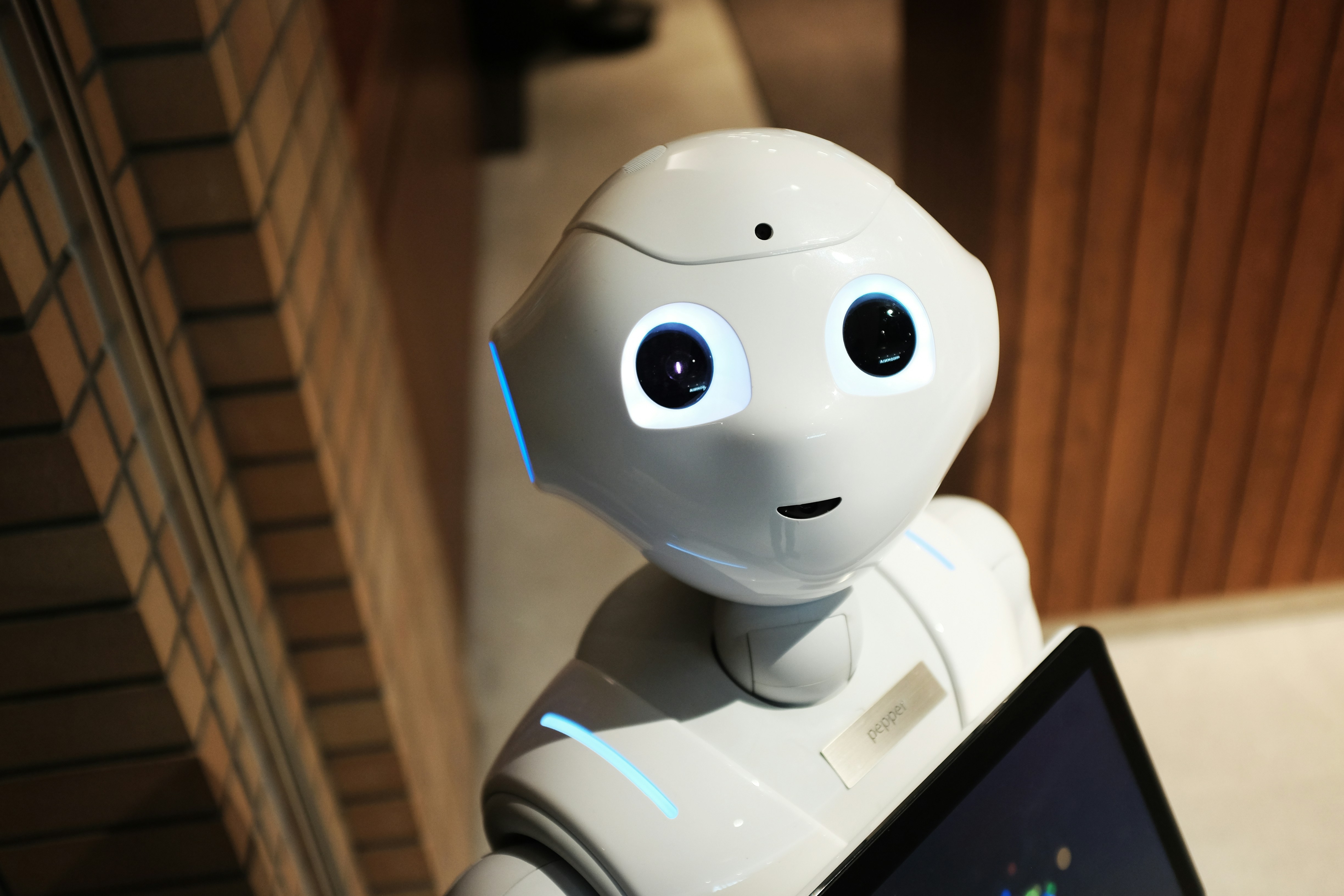
Here’s the truth that most people miss: AI is not suddenly replacing work that humans loved doing. Most of the work AI is doing today was already being automated long before AI became mainstream. Take an example like warehouse monitoring. Earlier, if a defect appeared maybe a damaged product, a faulty conveyor, or an inventory mismatch a human would physically go, inspect it, report it, and then someone would write logic to fix or flag the issue. Then came automation. Engineers wrote programs to detect defects automatically. Rules were added. Alerts were generated. Dashboards were created. Now AI has entered the picture and made that automation smarter, faster, and more scalable. So it’s not like AI replaced a human who was solving interesting, creative problems. AI replaced repetitive, predictable, rule-based work that was already on its way out.
Every Company Wants to Be an AI Company
Let’s be honest today, every company wants to call itself an AI company. Not because it’s cool (although it is), but because the demand is coming from everywhere. Customers want faster services. Businesses want lower costs. Investors want scalability. AI fits perfectly into this equation. That’s why we see AI everywhere websites, apps, internal tools, monitoring systems, customer support, analytics, recommendations everything. But this doesn’t mean companies suddenly became innovative geniuses. It simply means AI is the most efficient way to handle repetitive tasks at scale. And when tasks become fully AI integrated, companies don’t need large teams for those tasks anymore. That’s where layoffs come from not because humans are useless, but because that specific type of work no longer exists in the same volume.
The Real Reason Behind Layoffs

People aren’t getting laid off because AI is “smarter than humans.” They’re getting laid off because their job category has reduced in importance.
Roles based only on manual testing, CRUD apps, repetitive support, or basic monitoring are the first to be automated. This isn’t AI vs humans. This is old IT vs new IT.
The IT Industry Has Changed Permanently
Earlier, the IT industry worked like this:
- Learn basic programming
- Join a company
- Get trained on one technology
- Work on that technology for years
- Make a stable, comfortable career
So What Should Students & IT Professionals Do?

Many people are blindly chasing:
- Only prompt engineering
- Fully AI-generated projects
- No-code shortcuts
- Copy-paste learning
Prompt engineering is useful but let’s be very clear: Prompt engineering alone is NOT enough. If you don’t understand:
- How software actually works
- How APIs communicate
- How systems are designed
- How databases, servers, and networks interact
- How errors happen and how to debug them
Foundation First. Then Advanced Skills. Then AI.
1️⃣ Build strong fundamentals
- Programming concepts
- Data Structures & Algorithms
- Core computer science thinking
2️⃣ Learn advanced engineering
- System design
- Cloud & scalability
- Security & reliability
- Performance optimization
3️⃣ Use AI as a tool — not a crutch
- Speed up your work
- Automate boring tasks
- Support creativity and experimentation
Basic tasks can be done by AIand done better than humans. But AI still struggles with logic-heavy, complex, ambiguous, and high-level decision-making problems. That’s where humans win.
Stop Asking “Will AI Replace Me?”
Ask a better question: “Where does AI struggle and can I specialize there?” AI lacks:
- Deep contextual understanding
- Real-world judgment
- Creativity under constraints
- Ownership and accountability
- Critical and ethical thinking
The Final Truth

AI isn’t here to make humans irrelevant. It’s here to make us faster, remove boring work, and help us build meaningful things.
If you’re entering IT today: don’t be scared, but don’t be lazy either. Build a strong foundation, go deep into advanced skills, and then use AI wisely.
In the new IT world, advanced engineers who understand both technology and AI will always be in demand.
🔚 Final note: if you’re an IT student or professional, this is the time to evolve, not panic. Learn deeply, think critically, and let AI become your strength — not your replacement.